The Latest From Climate Caucus
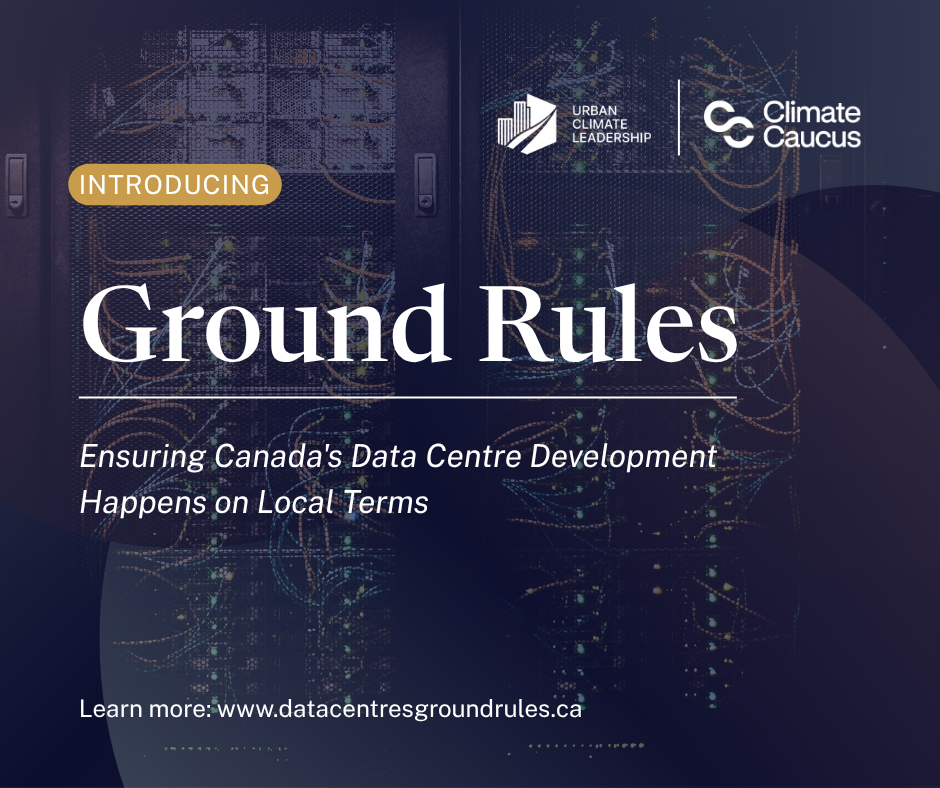
Introducing Ground Rules
In the coming years, Canada’s data centre capacity will grow 14-fold as AI drives rapid expansion. Communities need the tools to navigate this rapidly evolving landscape. Developed in collaboration with Urban Climate Leadership, Ground Rules equips local elected leaders with practical tools and resources to navigate data centre policy.
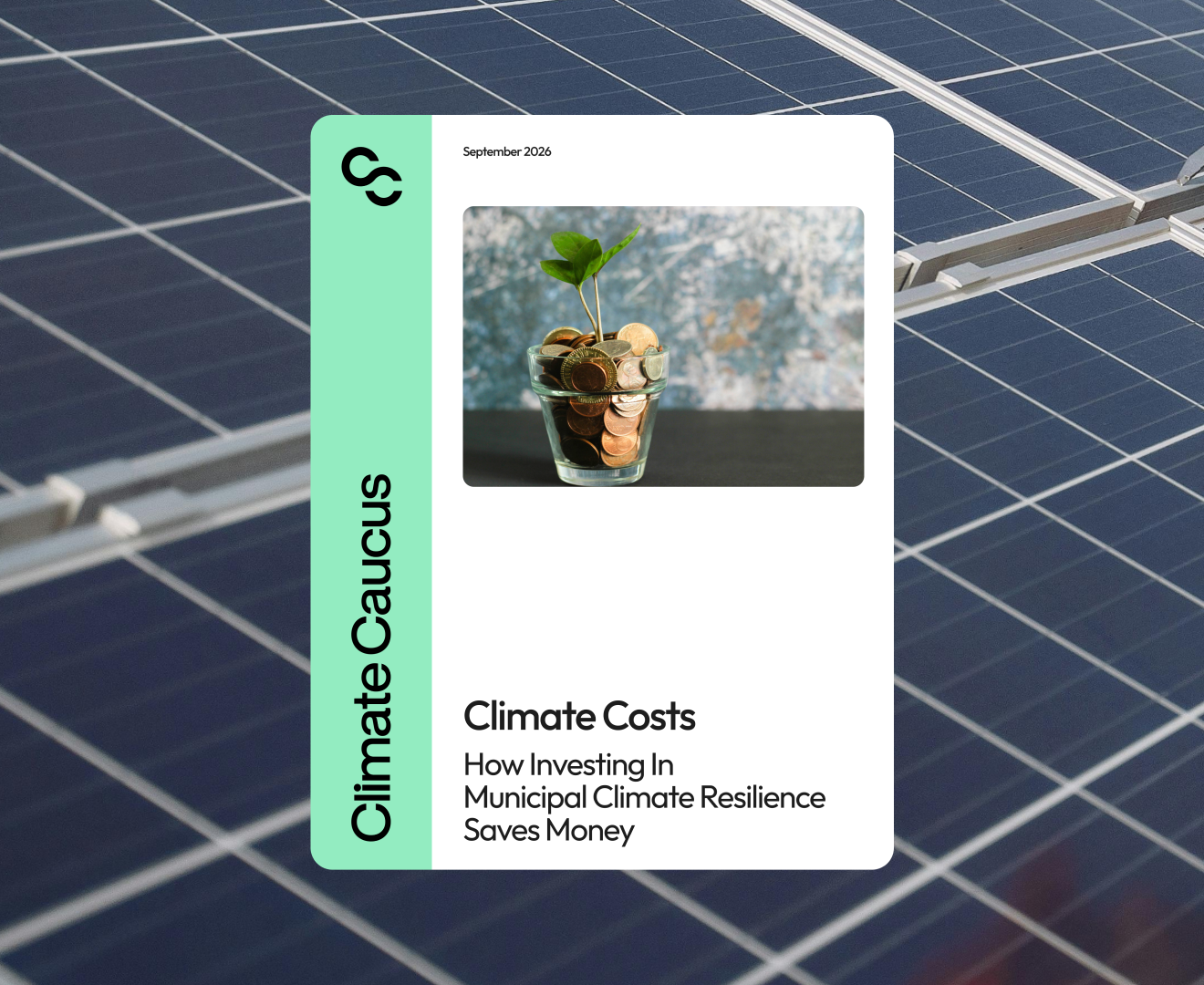
Climate Costs: How Investing in Municipal Climate Resilience Saves Money
When Canadians are facing growing, interconnected economic challenges, local leaders need to increasingly demonstrate how action on climate is good for job creation and our economy.
Our new toolkit makes the fiscal case for climate adaptation at the municipal level.
NEW Get Out The Vote Toolkit
For many of us approaching election day, it’s time for your team to turn their minds towards thinking about the final stage of the campaign: getting out the vote.
The goal of this new resource is to enable campaign teams to organize effective voter mobilization drives for their supporters on election day and early voting days.

Our Pre-Budget Recommendations for 2026
Canada is only as strong as its local communities — and local communities from coast-to-coast-to-coast are calling for more ambitious climate policy. We’ve submitted Climate Caucus’ pre-budget recommendations to the Government of Canada for Budget 2026.

Introducing the CC Campaign School — Sign Up Now!
This new tool is designed to support YOU in winning campaigns through a hands-on, highly tailored program developed by experienced campaign managers.

Read Judy O’Leary’s Tribute Page
We lost a crucial person in our Climate Caucus community unexpectedly in November. Judy was instrumental in the founding of our organization, volunteering 6 years and thousands of hours of specialized work to Climate Caucus.
We’ve gathered stories, and words of tribute, for a permanent tribute webpage.

Join Our Women’s Caucus!
We’re launching a national network for women and gender-diverse local electeds to connect, share information, collaborate, and be supported by a community of leaders.

Join Us!
We welcome local elected leaders—current and former—from municipalities, Indigenous Nations and rural communities from coast to coast to coast. Membership is free and provides access to in-person and virtual resources.

Resilience Through Collaboration
The First Nations Leadership and Governance Association (FNLGA) and Climate Caucus have partnered to strengthen First Nations representation in Municipal Governance.

Find What You Need ↴


Browse Our
Resources




Problem Solve with Other Leaders.
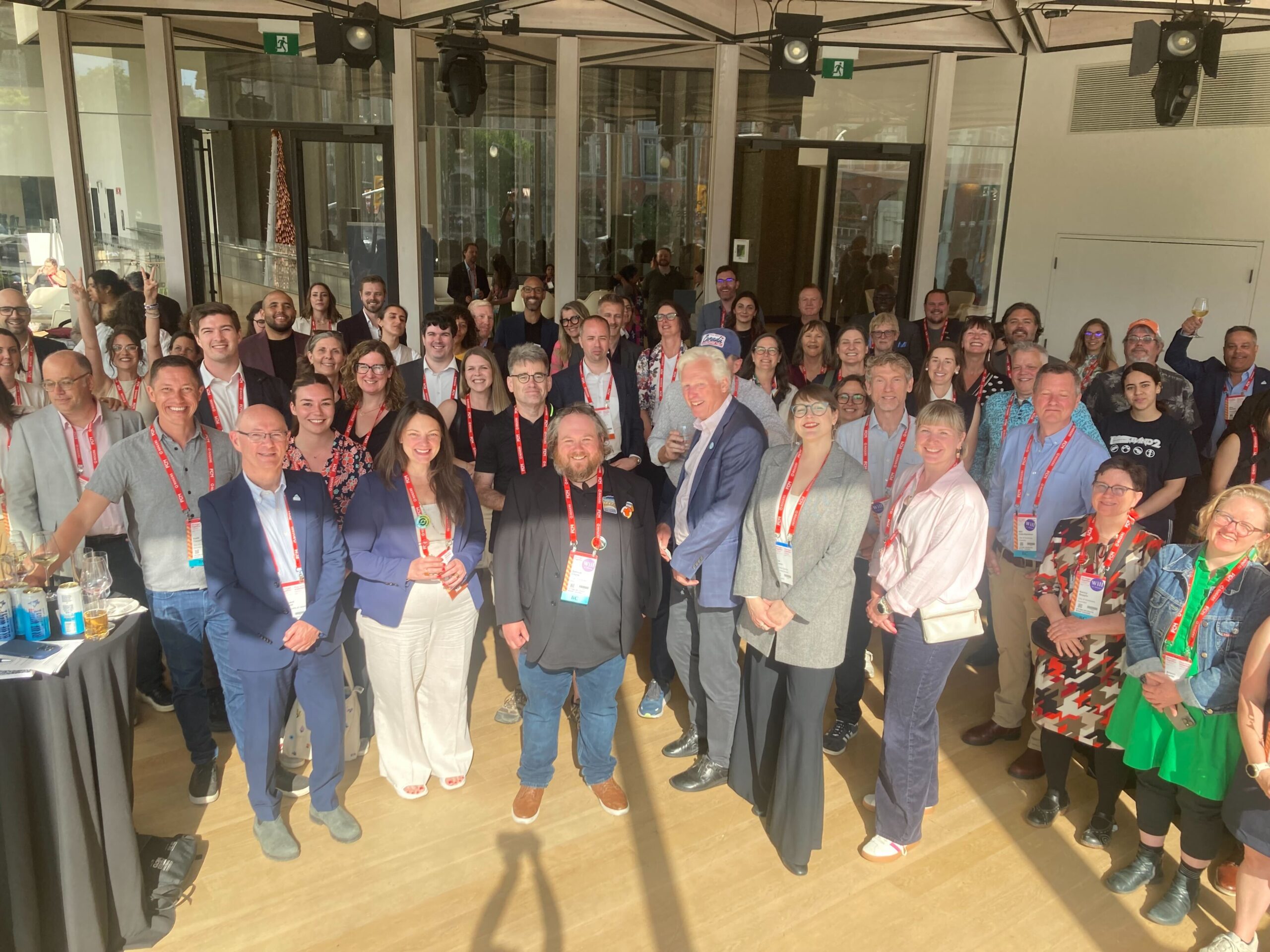
Our regular virtual events offer local elected leaders to connect with one another in a confidential, warm and collaborative environment.
Upcoming Events ↴







Get to
Know Us
We work to support locally elected officials by providing a place to share successful policies, resources and best practices.
Donate to a Prosperous, Sustainable
Future
We’re a modest organisation with large reach and larger ambitions. All our work is designed to support local communities enact change that improves the lives of Canadians across the country. Your donation helps us continue to ensure tangible change — locally and at scale.
“The Climate Caucus is an essential source of inspiration, information and insight. Being part of a national network of municipal leaders has helped me gain an understanding of the range of possibilities we have at our disposal to build a just, regenerative future.”